How should you split seven days between Tokyo and Kyoto?
Stay three nights in Tokyo and four in Kyoto. Arrive on day one, take the Shinkansen on day four, and depart on day eight. That gives Kyoto three unbroken mornings, which matter more than squeezing Osaka into the same week. If you only have six nights, drop the final Kyoto day instead of pretending the train transfer takes no time.
An open-jaw flight into Tokyo and out of Kansai works well when the fare makes sense. If your return flight leaves Tokyo, compare a Tokyo-only week before committing to a second long rail journey. The seven-day Japan comparison lays out both choices.
The choices to make before you book
- Choose your Tokyo hotel for the trip you are taking. Tokyo Station or Ginza makes the Kyoto train easy. Shibuya or Shinjuku buys a livelier evening but a longer departure morning.
- Choose only one paid Tokyo centerpiece. A museum, a digital-art visit or a special dinner is enough for this short stay.
- Protect the Kyoto mornings. Higashiyama, Fushimi Inari and Arashiyama each deserve a separate start. Do not put all three on a single sightseeing day.
Day 1: arrive in Tokyo
After checking in, stay near the hotel. From a Marunouchi base, walk the brick station frontage, browse the food halls and have an uncomplicated dinner nearby. If you land early and still have energy, go to Ginza for the evening rather than crossing Tokyo for a timed attraction. A first afternoon lost to airport formalities should not break the trip.
Day 2: Asakusa, Kappabashi and Ueno
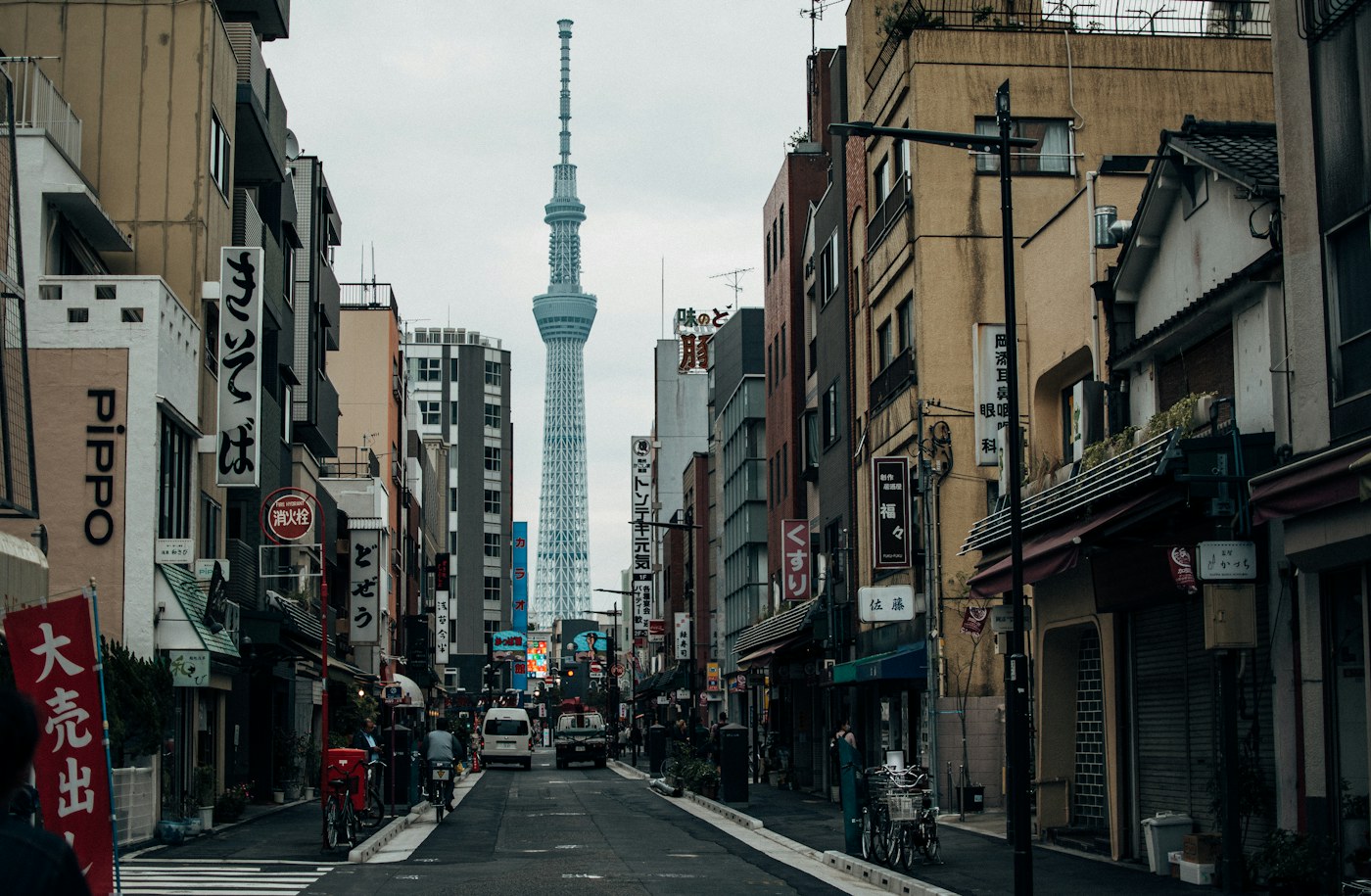
Start around Senso-ji before the Nakamise approach gets busy, then walk to Kappabashi. It is a working kitchenware district, so look at knives, ceramics and lacquerware rather than treating it as another souvenir street. For lunch, choose a tempura or soba counter around Asakusa. Continue to Ueno for one museum if you want art; otherwise keep the park and Ameyoko as the afternoon. Return to your side of town for dinner.
Day 3: Meiji Jingu, Omotesando and Shibuya
Begin at Meiji Jingu, walk down Omotesando and cut into the side streets around Cat Street. Maisen Aoyama is a good lunch if you want a proper seated tonkatsu meal rather than another snack. Spend the afternoon browsing design and fashion, then end around Shibuya. This is the day for a late dinner or cocktail, not the night before a dawn train.
If shopping is the main reason you came, replace one museum stop with the route in the Tokyo shopping guide.
Day 4: Tsukiji, Ginza and the train to Kyoto
Use the morning for Tsukiji Outer Market, where a piece of tamagoyaki, fruit or a small sushi portion makes more sense than queuing for a giant set breakfast. Cross into Ginza for a short browse and lunch, then collect bags and take an afternoon train from Tokyo or Shinagawa to Kyoto. The official SmartEX baggage rules require a special seat reservation for bags whose combined dimensions are 160 to 250 cm. Check your suitcase before buying seats.
Once in Kyoto, eat close to your hotel and walk a little of the Kamo River. The next morning is the one to save your energy for.
Day 5: Kiyomizu-dera and southern Higashiyama
Go to Kiyomizu-dera early, then walk downhill via Sannenzaka and Ninenzaka. Give Kodai-ji or a small gallery time instead of racing through every temple on the map. Lunch near Gion is a natural break. Matsuba is a specific choice for Kyoto-style herring soba; it is near Gion-Shijo, so it fits the route. Finish with a late walk in Gion and dinner nearby.
Day 6: Fushimi Inari and downtown Kyoto
Take the JR Nara Line from Kyoto Station or Keihan from Gion-Shijo to Fushimi Inari. Kyoto City recommends the rail approach over a congestion-prone bus. Walk beyond the first crowded gates if you want the visit to feel like a hillside walk. Return downtown for Nishiki Market, Teramachi shops and a slow afternoon. If you want a formal kaiseki dinner, this is the evening to reserve it; otherwise choose a neighborhood counter and keep the budget for another experience.
Day 7: Arashiyama without the temple sprint
Use the JR Sagano Line to Saga-Arashiyama or the Hankyu line if it suits your hotel. Walk the bamboo grove early, then choose Tenryu-ji for its garden or Okochi Sanso for the hillside setting. Have lunch in the area and continue into quieter Saga lanes. Do not add Kinkaku-ji across town just to collect another famous name. On a rainy day, swap this for a Kyoto museum and a longer downtown lunch.
Hotels that suit this exact route
Tokyo: The Tokyo Station Hotel is the splurge for anyone who values a frictionless Shinkansen departure. It is in the station building, and the hotel offers an elaborate breakfast in its attic Atrium. If you want nightlife and city views instead, Hotel Groove Shinjuku has art-led rooms and a terrace, but it is a less convenient base for the Kyoto transfer.
Kyoto: Ace Hotel Kyoto suits someone who likes a lively lobby, Stumptown coffee and direct access to Karasuma Oike station. The Gate Hotel Kyoto Takasegawa is closer to Gion evenings; its Schoolhouse rooms occupy a former elementary school. Choose the neighborhood you want to return to after dinner, not just the prettiest room photograph.
What to book, and what to leave loose
Book flights and the two hotels first. Then buy the intercity train, especially if you need oversized-baggage seats or a group together. Reserve one special Tokyo experience and one Kyoto dinner. Most temple visits can stay flexible. If a site changes hours or a restaurant closes, preserve the neighborhood route and replace that stop, rather than rebuilding the whole week.