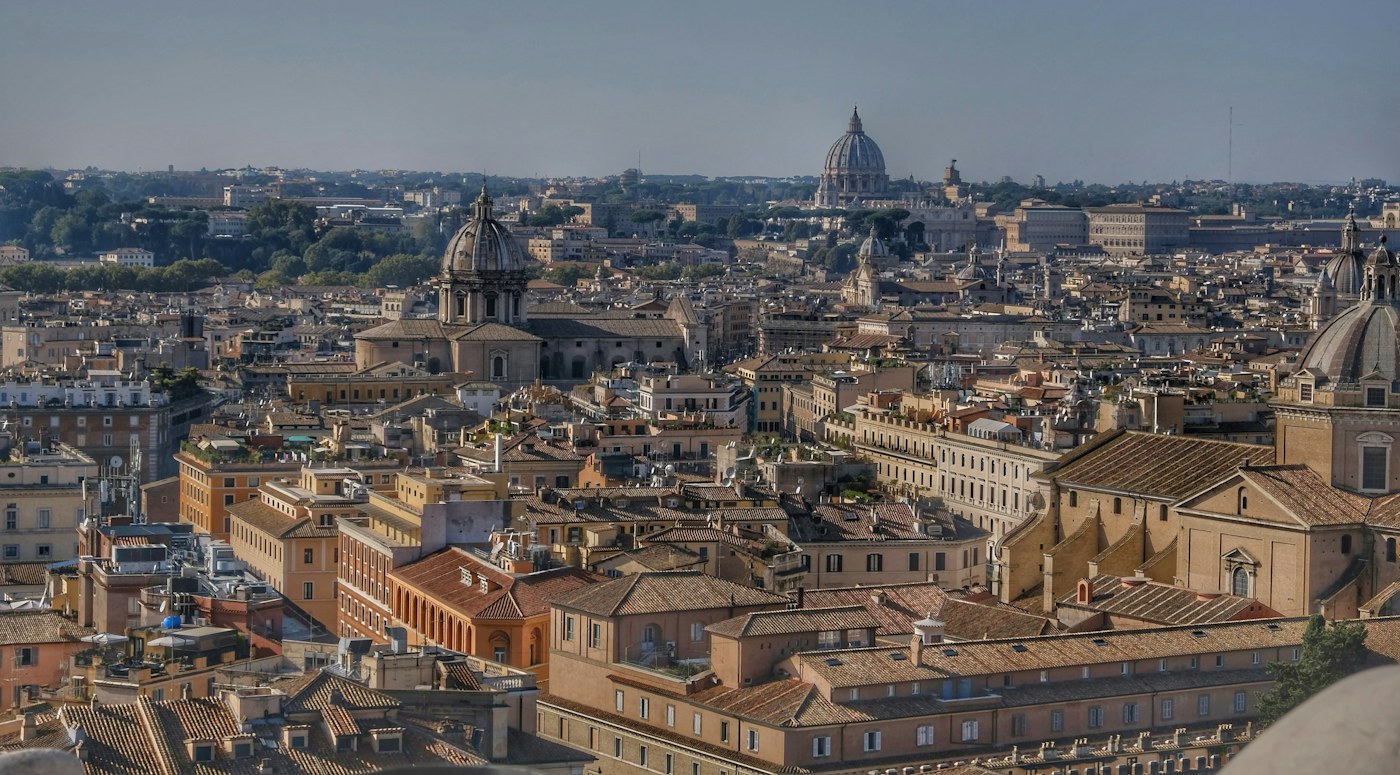
- Rome4 nightsRuins, Vatican, one loose day
- Florence3 nightsOne museum, food, room to wander
- Venice2 nightsBoats, Doge’s Palace, no day trip
What is the best ten-day Italy itinerary with kids?
Spend four nights in Rome, three in Florence and two in Venice. Travel by high-speed train, book one major attraction per day and let piazzas, gelato and boats carry part of the experience. Three bases are the maximum for ten days with school-age children.
If your children are very young or hate hotel changes, cut Venice and split the time between Rome and Florence with a countryside day.
The family strategy
- Alternate ruins, art and movement. Follow a museum with a park, a piazza or something edible.
- Keep major visits short. Two focused hours at the Vatican Museums can be more successful than a comprehensive four-hour march.
- Take the train before lunch. Arrive with daylight, leave bags and use the afternoon without sacrificing dinner or bedtime.
Days one to four: Rome
Use arrival day for the Pantheon, a fountain walk and an early dinner. Book the Colosseum and Forum for the first full morning, then rest before Trastevere. The Colosseum uses named tickets and compulsory timed entry; official sales open 30 days ahead. Buy through the Parco archeologico del Colosseo, and bring identification for everyone named on the booking.
Give the Vatican its own day, using the Vatican itinerary and choosing a short list inside the museums. Families with younger children can bring a stroller, and the museums list baby-changing stations, a nursing room and highchairs in some refreshment areas in their official visitor advice. Children under seven enter free; ages seven through eighteen qualify for a reduced ticket, but you still need to book the correct ticket and carry proof of age.
Days five to seven: Florence
Take a morning train and walk the historic center after check-in. On the next day, choose the Uffizi or Accademia, not both. The museum comparison helps match the visit to attention span.
Use the third Florence day for a pasta class, Boboli Gardens or a Siena excursion with older children. The cathedral dome climb is memorable, but the official operator warns of steep stairs and very narrow passages. Read the Duomo access rules before promising the climb to children, grandparents or anyone who dislikes tight spaces.
Days eight to ten: Venice
Take the train to Venezia Santa Lucia and choose a hotel you can reach without bridges or with porter support. Spend the first afternoon close to the hotel, then ride a vaporetto down the Grand Canal. Compare single tickets with one, two or three-day passes on the official Venezia Unica transport page; a pass makes more sense when boats are part of the fun, not just the airport transfer.
Book the Doge’s Palace for the final full morning through the official museum site, then cross to Dorsoduro for squares, gelato and a short art visit. Children often enjoy Venice most when boats count as transport and the route does not require another church every hour.
Food that works for everyone
In Rome, use pizza by the slice for lunch and reserve pasta for dinner. In Florence, choose schiacciata, ribollita and a simple trattoria. In Venice, cicchetti are good for adventurous grazers, while risotto, pasta and fried seafood keep meals legible.
Eat before peak hunger. Carry water and one familiar snack. Do not make children try every regional specialty, but give them a small vote at each meal.
Hotels and trains
Stay central enough to walk home after dinner. In Rome, the historic center or Prati works better than a remote luxury hotel. In Florence, Santa Maria Novella reduces train-day friction. In Venice, Cannaregio near the station or Dorsoduro near a direct vaporetto stop simplifies luggage.
Reserve seats together on high-speed trains and use the Italy train guide. Before buying separate tickets, check Trenitalia’s FrecciaFAMILY offer for groups of two to five traveling with a child under fifteen. Availability is limited, so compare it with the regular fare rather than assuming it will be cheapest. Book true family rooms or connecting rooms and ask the hotel to confirm the bed configuration in writing.
What to book
Thirty days ahead: buy named Colosseum tickets when the official window opens. As soon as dates are firm: book the Vatican Museums, one Florence museum and Doge’s Palace. Add a cooking class or dome climb only if it fits your children. Leave churches, piazzas, gelato and neighborhood walks open.
Check age-based admission and identification requirements on each official site. The Vatican’s reduced-ticket page, for example, requires proof of age for visitors from seven through eighteen. A free or reduced child ticket can still require a reservation.