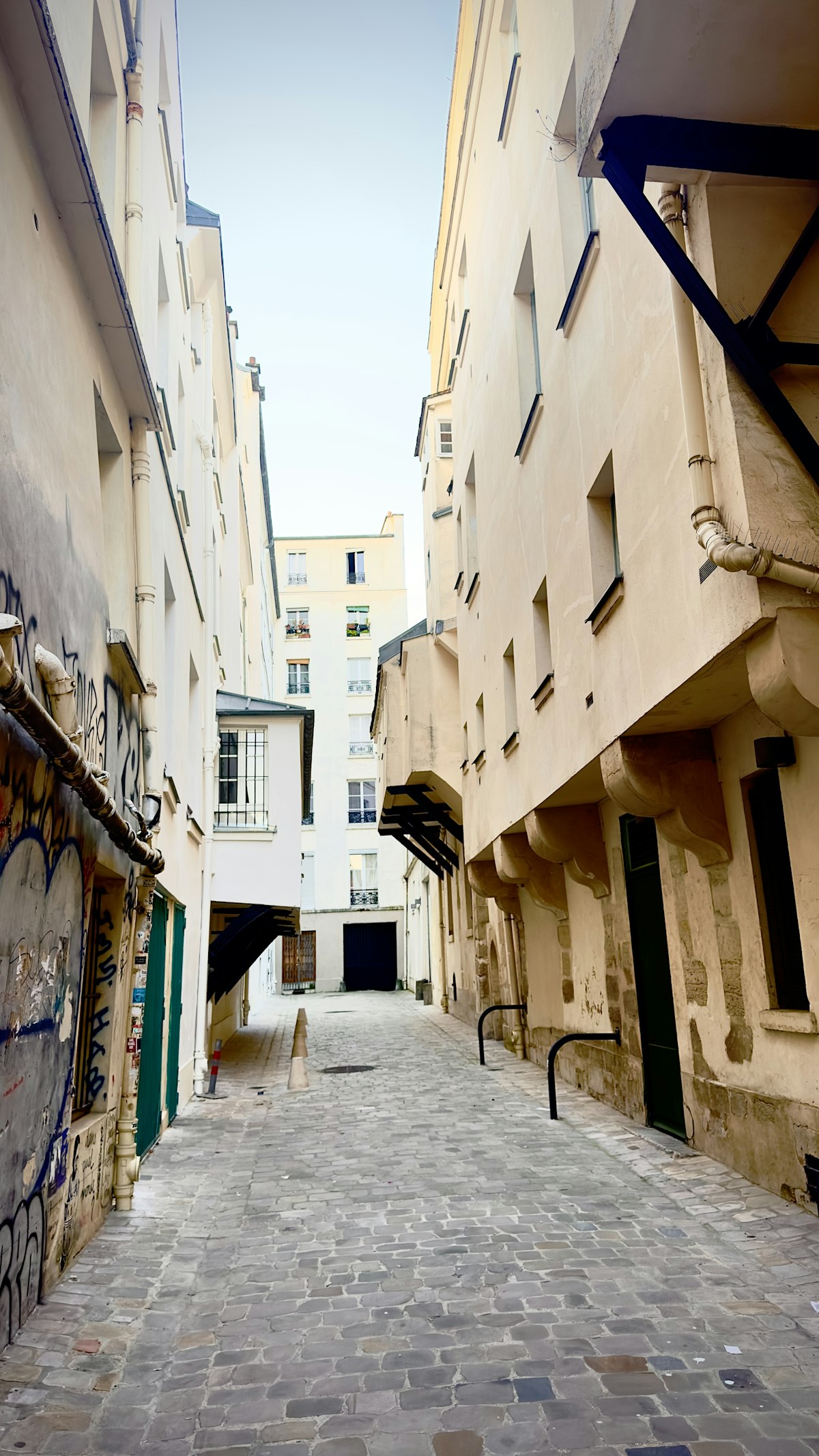
How should you spend four days in Paris on a second visit?
Spend a second visit on the Paris you skipped the first time: Sainte-Chapelle and the Rodin museum on day one, the Bourse de Commerce and the Marais on day two, east Paris from the Aligre market to Père Lachaise and the Canal Saint-Martin on day three, and the Château de Chantilly on day four. None of it repeats the Louvre, the Eiffel Tower, Notre-Dame or Montmartre.
The first visit is about landmarks. The second is about smaller collections you can see in two hours, neighborhoods where people live, and one day out of the city that is not Versailles. Every museum in this plan is the size of an afternoon, so you finish each day with time for a long dinner instead of a queue.
The order matters because of closures. The Rodin museum and Carnavalet close on Mondays; the Bourse de Commerce and Chantilly close on Tuesdays. The section on Mondays and Tuesdays below shows how to swap days if your trip includes either.
What do you need to book, and what is closed when?
| Place | Closed | Hours | Price | Book ahead? |
|---|---|---|---|---|
| Sainte-Chapelle | January 1, May 1, December 25 | 9am to 5pm, October 1 to March 31; last entry 30 minutes before closing | €22 (non-EEA), €16 (EEA residents); €30 or €23 with the Conciergerie | Yes, a timed ticket for the first slot |
| Musée Rodin | Monday | 10am to 6:30pm, last entry 5:45pm | €14; free on the first Sunday, October to March | Not essential on a weekday |
| Bourse de Commerce, Pinault Collection | Tuesday | 11am to 7pm; Friday to 9pm | €15 | Yes, for a set time |
| Musée Carnavalet | Monday | 10am to 6pm; last entry to the collections 5:15pm | Free for the permanent collections | No, except for paid exhibitions |
| Père Lachaise cemetery | Open daily | Until 6pm through November 5, 2026; it closes earlier in winter | Free | No |
| Musée Jacquemart-André | Open daily | 10am to 6pm Monday to Thursday, to 10pm Friday, to 7pm weekends | €19 with the Tintoretto exhibition, to January 24, 2027 | Yes, a 15-minute slot during exhibitions |
| Château de Chantilly | Tuesday; also January 4 to 22, 2027 | Varies by season | €21 for the one-day ticket | Yes, the one-day ticket is timed |
Holidays and exhibition changes move these hours. Check each place's own page for your exact dates.
Day one: Sainte-Chapelle, Saint-Germain and the Rodin museum
Start at Sainte-Chapelle at 9am, when it opens, then cross to the Left Bank and end the day in the Rodin garden.
- 9am: Sainte-Chapelle. If the first visit was Notre-Dame, this is the building on the same island to see now: the upper chapel is almost all glass. Book the opening slot. From October to March it opens 9am to 5pm. Allow 45 minutes.
- 10:30am: walk through Saint-Germain. Cross Pont Saint-Michel and take rue de Buci, rue de Seine and rue Jacob toward the Saint-Germain church. This is the bookshop, gallery and antiques part of the Left Bank that a landmark day walks past.
- 1pm: lunch in Saint-Germain, booked ahead. Keep it in the 6th or 7th so the afternoon is a short walk.
- 3pm: the Musée Rodin until it closes at 6:30pm. Give the garden as much time as the house: The Thinker and The Gates of Hell are outside. The garden's closing time changes from October to February and it can close in bad weather, so go to the garden first on a gray day.
On a first Sunday from October to March, the Rodin museum is free with no booking. I would still pick a weekday: a free day is the busiest day.
Day two: the Bourse de Commerce and the Marais
Give day two to contemporary art in the morning and the history of Paris in the afternoon, linked by a walk across Les Halles and the Marais.
- 11am: the Bourse de Commerce when it opens. Tadao Ando built a concrete cylinder inside the old grain exchange, under its painted dome, to show the Pinault Collection. The building is half the reason to go. Book a time, and allow 90 minutes. It closes on Tuesdays and stays open to 9pm on Fridays.
- 1pm: lunch in the upper Marais, around rue de Bretagne and rue Charlot, a 20-minute walk east.
- 3pm: the Musée Carnavalet, the museum of the history of Paris, in two Marais mansions. The permanent collections are free and need no booking. After a first visit, it explains the city you already walked: shop signs, the Revolution, Proust's bedroom. Last entry to the collections is 5:15pm.
- 5:30pm: Place des Vosges, five minutes away, then a drink in the Marais.
If you would rather see galleries than a second museum, swap Carnavalet for the Marais gallery afternoon.
Day three: east Paris, from the Aligre market to the Canal Saint-Martin
Day three is the Paris where people live: a market morning, a walk on an old railway viaduct, Père Lachaise in the afternoon and dinner by the canal. It needs no tickets, which makes it the day to move when a museum is closed.
- Morning: the Aligre market, near Ledru-Rollin metro in the 12th. Go before lunch, when the stalls on rue d'Aligre and the covered Marché Beauvau are full, and buy what you need for a picnic.
- Late morning: the Coulée Verte René-Dumont, the planted walk on top of an old railway line. Climb up near the Viaduc des Arts on avenue Daumesnil and walk east for as long as you like.
- 2pm: Père Lachaise. Entry is free, and the city publishes maps of the graves by theme. It closes at 6pm until November 5, 2026 and earlier in winter, and visitors are asked to leave a quarter of an hour before closing. Allow two hours; the hill is steeper than the map suggests.
- 5pm: Belleville and the Canal Saint-Martin. Walk up to the Parc de Belleville for the view west over the city, then down to the canal for the evening. Book dinner near the canal.
Day four: is Chantilly the right day trip for a second visit?
Yes. If you have seen Versailles, Chantilly is the day trip I would take: a château whose Musée Condé is a picture gallery hung the way its owner left it, the Grandes Écuries stables, and a park, 25 minutes from Paris by train.
A TER from Gare du Nord to Chantilly-Gouvieux takes 25 minutes; the RER D takes 45. The Navigo pass is not valid that far, so buy a train ticket. The château offers a pack of a TER return and the one-day ticket for €27.
The one-day ticket costs €21 and covers the château, the park and gardens and the Grandes Écuries. It is now timed, so book a slot. The estate closes on Tuesdays, and it closes for its annual break from January 4 to 22, 2027. Hours shorten in winter, so check the daily schedule before you set the train time.
Spend the morning in the château and the Musée Condé paintings, eat lunch on the estate, and walk the park before the light goes. Back in Paris by early evening.
If Chantilly is closed on your day, or you would rather stay in Paris, use day four for the Musée Jacquemart-André: a 19th-century collector's house on boulevard Haussmann, open every day. Until January 24, 2027 its ticket includes a Tintoretto exhibition, at €19, with a 15-minute time slot. On a Friday it stays open to 10pm. The Paris day trips comparison covers Giverny and Fontainebleau if you prefer a garden or a second palace.
What if your four days include a Monday or Tuesday?
Put east Paris on the Monday and Sainte-Chapelle and the Rodin museum on the Tuesday.
- Monday: the Rodin museum and Carnavalet are closed. Day three needs no museum, so it goes here. The Bourse de Commerce, Jacquemart-André and Chantilly are also open on Mondays.
- Tuesday: the Bourse de Commerce and Chantilly are closed. Day one, Sainte-Chapelle and Rodin, works on a Tuesday.
- Wednesday to Sunday: any order works. Put Chantilly on a weekday if you can, when it is quieter.
The Paris museums guide for Mondays and Tuesdays lists what else is open on those days.
What would I skip on a second visit?
I would skip anything that only repeats the first trip. A second Louvre visit makes sense only with one wing in mind; if that is the plan, the Louvre tickets guide covers the timed entry. A second Eiffel Tower ticket rarely does. Montmartre at sunset, a Seine cruise and Versailles are all first-visit days; the first-visit four-day itinerary has them if a companion has not been.
The exception is the Musée d'Orsay. If you did the Louvre the first time and skipped the Orsay, put it ahead of Carnavalet on day two. The Louvre or Orsay guide explains which one fits.
Where should you stay on a second visit?
Move your base east of where you stayed last time. A first visit usually ends up near the Louvre or Saint-Germain. For this plan, the upper Marais in the 3rd puts the Bourse, Carnavalet and the Aligre market within a walk or a short metro ride, and keeps the canal close for dinner. The where to stay in Paris guide compares four hotels by neighborhood.